August 4, 2026 • Margot Vellacourt • 9 min reading time • Prices verified June 4, 2026
The Honest Odor-Control Stack: What Works Around Your Self-Cleaning Box
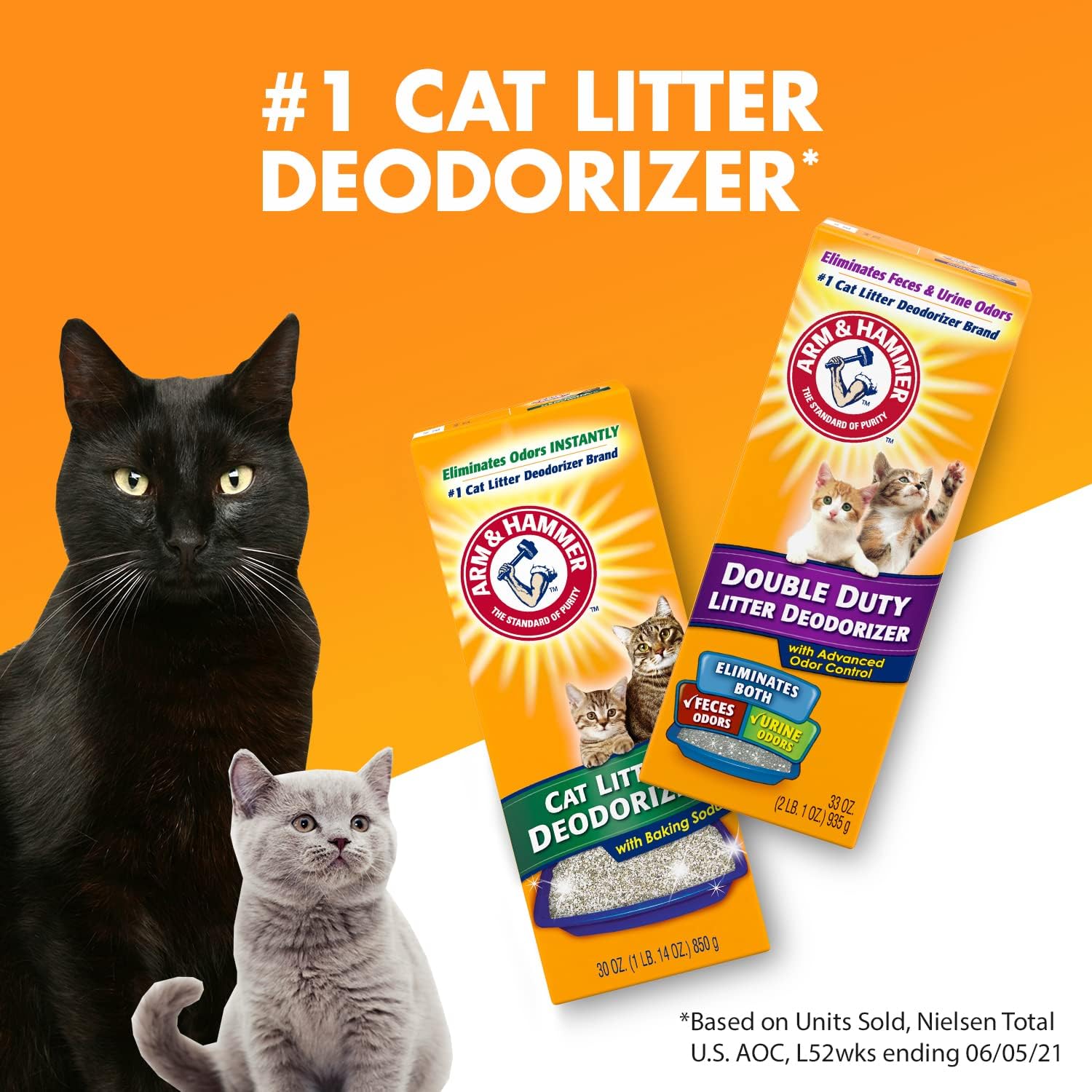
Let’s start with the basics, because this is a topic where the marketing is genuinely misleading: a self-cleaning litter box — a device that automatically rakes, rotates, or sifts waste into a sealed compartment so you’re not scooping by hand every day — does not solve your odor problem. It manages it. The box handles one moment in the odor lifecycle: physical waste removal. But ammonia (the sharp, urine-derived chemical that makes your eyes water), bacterial off-gassing from the waste drawer, airborne particles that settle on nearby surfaces, and the slow saturation of litter itself are all still in play. This article is the guide to building what’s often called an “odor stack” — the layered set of products, habits, and settings that together actually keep a multi-cat home smelling neutral. We’ll name tradeoffs, show the math where it matters, and tell you when to skip a product category entirely.
Why Your Self-Cleaning Box Is Only One Layer
If you’ve owned a Litter-Robot 4, a PETKIT PURA X, or any Globe-style unit for more than a few months, you’ve probably noticed the same pattern: the first two weeks feel miraculous, and then somewhere around week three, a smell creeps back in. That’s not the box failing. That’s the box doing exactly what it’s designed to do — and the rest of the odor ecosystem doing nothing.
Here’s what’s actually happening in a typical self-cleaning unit:
The waste drawer (the sealed chamber at the base of most globe-style units, or the tray system on sifting units like the PetSafe ScoopFree Ultra) fills incrementally. Even with a carbon filter on the drawer itself, volatile ammonia compounds escape every time the globe rotates and briefly exposes the drawer opening. In a two-cat household with average elimination frequency — roughly 2–3 litter visits per cat per day, per ASPCA guidance on feline bathroom behavior — that drawer opens and seals 12–18 times a day.
The litter itself accumulates urine-broken-down byproducts even after clumps are removed. Clumping clay and silica crystal litters handle this differently: silica crystals (used in the ScoopFree’s disposable trays) absorb liquid and dehydrate waste, suppressing bacterial activity longer; clay clumps trap liquid but leave a residue on surrounding granules over time. The Spruce Pets’ overview of odor-control litters notes that silica-based options consistently outperform clay in bacterial suppression at the 3–4 week mark of a fill cycle, but that performance window matters — most self-cleaning units aren’t on a replacement schedule that aligns with that window.
The surrounding air volume matters more than people expect. Apartment Therapy’s coverage of multi-cat households in urban spaces consistently surfaces the same finding from readers: placement in a low-airflow corner (a closet, a bathroom cabinet, under a vanity) concentrates odor even with a functioning self-cleaner. The box is doing its job; the room isn’t.
Understanding these three vectors — the waste drawer, the litter column, the ambient air — is the foundation of building a stack that actually works.
The Four Layers of an Effective Odor Stack
Think of this as four distinct jobs, each requiring a different tool. Most people have one or two of these covered and wonder why the smell persists.
Layer 1: Waste Containment at the Source
This is the drawer + liner + filter combination. It’s the layer most automated litter box owners are already thinking about, but frequently under-optimizing.
Waste drawer liners are the highest-leverage, lowest-glamour item in the stack. For Litter-Robot 3/4 units, Whisker’s proprietary liners are the obvious default, but owners across review aggregators consistently note that third-party liners (sized for the LR3/LR4 globe opening) run $10–15 for a 30-pack versus Whisker’s $16–20 for the same count — with reported performance differences that are negligible. The actual variable that matters: liner integrity. A liner with a microtear exposes the plastic drawer to urine film, which is nearly impossible to fully remove and becomes a permanent secondary odor source. Thicker mil counts matter more than brand.
Carbon filters on the waste drawer do real work in weeks 1–2 of a fill cycle, and diminishing work after that. Manufacturer replacement guidance (every 1–3 months depending on the unit) is roughly right, but owners in multi-cat households running 3–4 cats report needing monthly swaps. The cost math here is worth running:
By the numbers — LR4 carbon filter cost at 3-cat usage: Whisker replacement filters: ~$5/unit at pack pricing Replacement interval at 3 cats: ~monthly Annual filter cost: ~$60 Third-party compatible filters: ~$2–3/unit → ~$30/year
That delta is real money over 5 years, and the filter itself — activated carbon — is a commodity. The Spruce Pets’ roundup of litter accessories notes that activated carbon performance in enclosed spaces is well-established and not brand-dependent at consumer concentrations.
Layer 2: Litter Selection and Replacement Cadence
This is the layer people debate most and optimize least systematically. A few honest positions based on aggregated owner reporting:
For silica crystal systems (ScoopFree Ultra and its tray ecosystem): the manufacturer’s “up to 30 days per cat” replacement guidance is aggressive for heavy eliminators. Owners with cats on wet-food-dominant diets — which increases urine volume — consistently report odor breakthrough at 18–22 days. Plan your consumable budget around a 3-week cycle, not 4.
For clumping clay in globe-style units (Litter-Robot 3/4, PETKIT PURA X/MAX): the litter level matters more than the brand in most conditions. Globe units need litter at a consistent depth (the LR4 manual specifies the fill line for a reason) to ensure clumps form cleanly and don’t fragment into the globe’s mechanism. Fragmented clumps mean residue; residue means off-gassing between cycles. PetMD’s guidance on litter box hygiene identifies incomplete clump removal as one of the primary drivers of persistent odor in otherwise well-maintained boxes.
Low-dust, unscented litters are the near-universal recommendation from veterinary behavior sources including the ASPCA — cats may avoid a litter that smells strongly of artificial fragrance, which defeats the entire automated system. Fragrance in litter masks odor for humans while potentially creating avoidance behavior in cats. The odor-control job belongs to the litter’s physical properties (absorption, clump integrity, crystal dehydration), not its scent additives.
Layer 3: Ambient Air Management
This is the layer most self-cleaning box owners skip entirely, and it’s often where the residual smell lives.
A small HEPA air purifier with an activated carbon pre-filter placed within 6–8 feet of the litter box is the single highest-impact addition most owners can make after optimizing layers 1 and 2. The HEPA filter handles airborne particulates (litter dust, dander); the carbon layer handles volatile organic compounds including ammonia. Modern Cat’s coverage of multi-cat home setups consistently identifies air purifier placement near the litter zone as the most-cited upgrade among experienced multi-cat owners.
Unit sizing matters here. A purifier rated for 150–300 sq ft running in a bathroom or laundry nook is appropriate; a full-room unit in a large open space won’t concentrate enough air volume near the box to be effective. Owners report better results from a smaller, correctly positioned unit than a larger one placed across the room for aesthetic reasons.
Ventilation is free and underused. If the litter box is in a room with a window, running a ventilation cycle before and after peak elimination periods (typically early morning and early evening for most cats) meaningfully reduces ambient concentration. This isn’t a substitute for air filtration but it compounds with it.
Layer 4: Surface and Furniture Protection
The final layer is the one that pays off slowly but matters for long-term household smell management. Ammonia and bacterial compounds don’t just float in air — they settle on soft surfaces within 6–8 feet of the litter zone. Rugs, curtains, and upholstered furniture near the box become secondary odor sources that persist even when the box itself is pristine.
Enzyme-based cleaners (not general-purpose multi-surface sprays) are the correct tool here. Enzyme cleaners contain biological agents that break down the specific organic compounds in urine and feces at a molecular level; standard cleaners mask surface odor without addressing the compounds. Apartment Therapy’s cleaning coverage consistently distinguishes enzyme cleaners from general cleaners for pet-specific odor remediation, noting that the distinction matters most for fabric and porous surfaces.
A litter-trapping mat at the box entrance captures tracked litter before it spreads, reducing the area of surface contamination. This is a minor-seeming item that accumulates real impact over time: tracked litter carries urine residue, and that residue dehydrates and off-gasses on flooring and rugs.
The Tradeoffs by Setup Type
Before buying into any layer of this stack, the honest frame is: which layers are you already paying for without knowing it?
Units with built-in odor systems — the Litter-Robot 4’s OdorTrap pod system, PETKIT’s internal deodorizer compartment — address Layer 1 at the source. Whisker positions OdorTrap as a Layer 1–2 bridge, combining a carbon element with a fragrance component. Owners report mixed results on the fragrance component (some cats show indifference, some avoidance behavior), but the carbon element functions as expected. If your unit already has an active internal deodorizer, your Layer 1 spending on third-party carbon filters is likely redundant — you’re doubling up on the same mechanism.
Units without internal deodorization (entry-level sifting units under $150, older LR3 setups without the OdorTrap upgrade) need full Layer 1 investment.
If X, then Y — the decision rules:
- If you have 1–2 cats in a unit with an active internal deodorizer: Layer 1 is covered by the unit. Prioritize Layer 3 (air purifier placement) and establish a litter replacement cadence. Skip the Layer 1 accessories.
- If you have 3+ cats or a unit without internal deodorization: Invest in Layer 1 fully — quality liners, monthly carbon filter swaps — before spending on ambient air management.
- If residual odor persists after optimizing Layers 1–3: The problem is almost certainly Layer 4. Test by cleaning all soft surfaces within 6–8 feet of the box with an enzyme cleaner and reassessing within a week.
- If you’re running a silica-tray unit and hitting odor breakthrough before the manufacturer’s suggested replacement date: Shorten your replacement interval first. This is a consumable-cadence problem, not a product problem.
The stack isn’t complicated. It’s just layered — and most people try to solve all four layers with one product and wonder why it doesn’t work. Build it in order, test each layer for two weeks, and you’ll have a much clearer signal on what’s actually contributing. The self-cleaning box earns its place at Layer 0; the rest of the work is yours to build around it.